
By: Elaine McArdle
For formerly incarcerated citizens or anyone ever charged with a crime, it’s frequently an uphill battle to get a job or get into public housing. Many people are eligible under state law to have those records sealed, but they often don’t know it or know how to go about it.
Since 2019, LSC’s Safety Net Project has helped many people get their criminal records sealed so they can move forward with their lives. Among other things, students and staff have advocated for Clean Slate legislation that would change Massachusetts law to make it easier to have criminal records sealed.
Community outreach and education are essential, too. Through her ongoing work with the City of Boston’s Black Male Advancement program, Julie McCormack, senior clinical instructor and director of the Project, was invited to offer CORI-sealing trainings. The Project is now doing regular presentations with that program and with other nonprofits.
For the past two years, the Project has helped hundreds of people understand their rights and has also worked directly with about sixty clients to seal their records. This semester, three students are working on this effort, including with a monthly presentation at New England Culinary Arts Training (NECAT). NECAT is a 14-week training program in Boston that teaches not just culinary skills but money management, time management, and preparation for working in professional settings. Many of its trainees are unhoused, formerly incarcerated, or both.
McCormack and her students also do trainings with PowerCorps Boston, which assists young adults with jobs in the green industry. Its priority populations include returning citizens, court-involved residents, youth who have experienced homelessness or housing instability, young people who have been in foster care, and other marginalized communities.
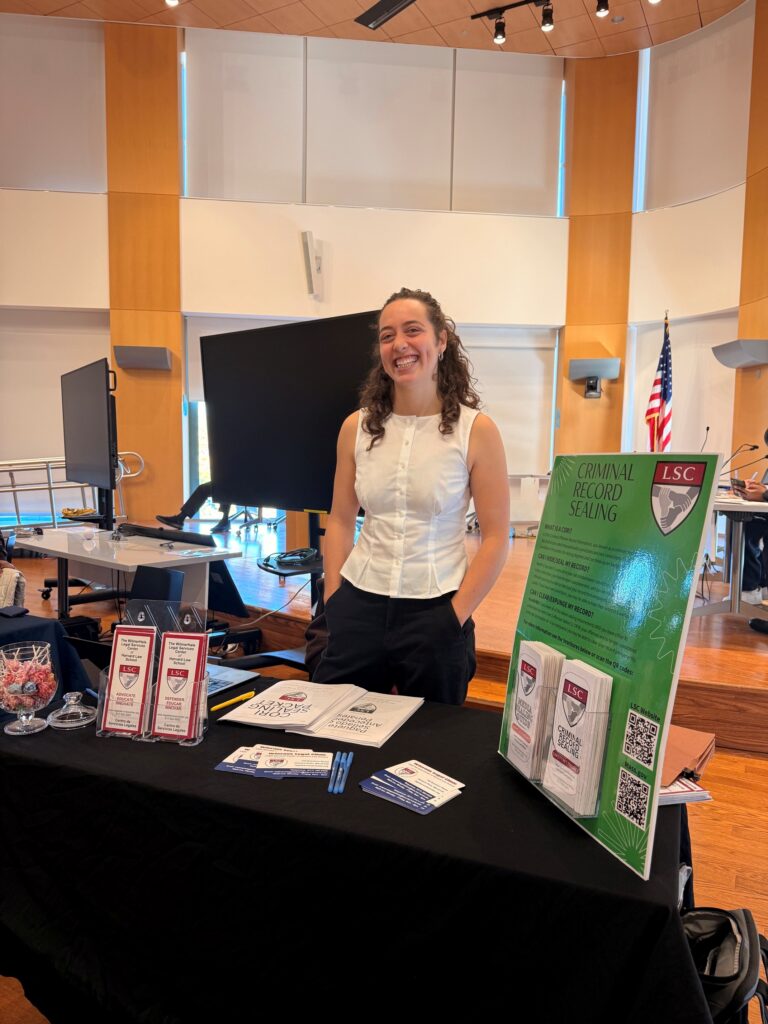
In late October, the Boston mayor’s office—through its Returning Citizens program and its Black Male Advancement program—invited McCormack and the Safety Net program to participate in their resource fair. The Project did significant outreach to organizations hiring veterans such as the Boston Fire Department, the U.S. Postal Service, and the Transportation Security Administration (TSA), and it also also met eight new clients, McCormack said.
In addition to criminal record sealing, McCormack and her students educate folks on eviction sealing, as well as helping them understand new federal work requirements related to certain governments benefits including SNAP, Medicaid, and MassHealth.
“We are trying to pre-empt problems for folks who are returning into society,” she says.
The Project does criminal record sealing a bit differently than most others who work in this area: in addition to sealing records under state law, it also makes sure the record is sealed with the Federal Bureau of Investigation (FBI)—and it contacts news media to remove from their indexes any reference to someone’s arrest or conviction record.
“It’s a three-part sealing, usually,” says McCormack, who says the Project’s clients and the folks it trains are “enthusiastic” about this more thorough approach to helping them get a fresh start.
Someone isn’t eligible for CORI record sealing until three years after a misdemeanor arrest or conviction, and seven years after a felony arrest or conviction, without any intervening arrests. McCormack says the media they have contacted have shown “some significant understanding and support” for removing records from their indexes.
Her students are also enthusiastic, she says, including for the opportunity to work in the community with nonprofits and government agencies. Many of them plan to continue their record-sealing work after graduating HLS, she says, adding, “Students say they are grateful because this experience informs their individual careers as well as their thinking about the big picture” in terms of policy.
On November 13 the Project is hosting a workshop with PowerCorp on media sealing.
“It is rewarding work,” McCormack says.
For more on the City of Boston’s Black Male Advancement: HERE
For more on PowerCorp: HERE
For more on the Safety Net Project: HERE